UK Government Unveils £25.4 Million Funding for VCSE Groups Targeting Gambling Harms Through 2028
Mia Neumann · Apr 8, 2026

UK Government Unveils £25.4 Million Funding for VCSE Groups Targeting Gambling Harms Through 2028
The Announcement and Key Details
The UK Government's Office for Health Improvement and Disparities (OHID), housed within the Department of Health and Social Care, has released provisional funding allocations amounting to £25,441,281 for 33 voluntary, community, and social enterprise (VCSE) organisations across England; these groups now stand poised to tackle gambling-related harms over the two-year stretch from 2026 to 2028. What's interesting here is how this move channels resources directly into grassroots efforts, where local experts and community leaders can make a tangible difference in prevention and reduction strategies.
Figures reveal the total breaks down precisely to that £25,441,281 mark, spread among those 33 recipients selected through a rigorous process, and observers note this represents a structured commitment to building resilience against gambling's downsides. And while the allocations remain provisional for now, they hinge on final grant agreements that will lock in the support come the start of the funding period.
Take the timeline: applications opened on 14 January 2026 and closed on 6 February 2026, drawing submissions from VCSE entities eager to step up; a competitive assessment followed, winnowing the field to these 33, each now awaiting the green light from OHID. It's noteworthy that this isn't just a handout but a targeted infusion, designed to bolster prevention work right as 2026 unfolds.
Funding Source: The Statutory Gambling Levy in Action
This pot of money springs from the prevention strand of the statutory gambling levy imposed on gambling operators, including big players in the casino sector, which means operators contribute based on their activities to fund exactly this kind of harm reduction. Data from the announcement underscores how the levy funnels resources back into public health initiatives, creating a loop where industry proceeds support community safeguards.
But here's the thing: the levy isn't new, yet this allocation shows it delivering concrete sums to VCSE groups, those voluntary, community, and social enterprise outfits often at the coalface of local support. Experts who've tracked such mechanisms point out that prevention strands like this one prioritize upstream interventions, aiming to stop harms before they spiral; in this case, the £25.4 million figure materializes as provisional grants ready for deployment from 2026 onward.
One study of similar funding streams has found that when operators pay into levies, the money reaches frontline services efficiently, and here, with casinos and others pitching in, the 33 organisations gain a war chest for resilience-building programs. Turns out, this setup ensures the funds stay ring-fenced for public benefit, steering clear of direct operator influence down the line.
Strings Attached: Conditions and Safeguards
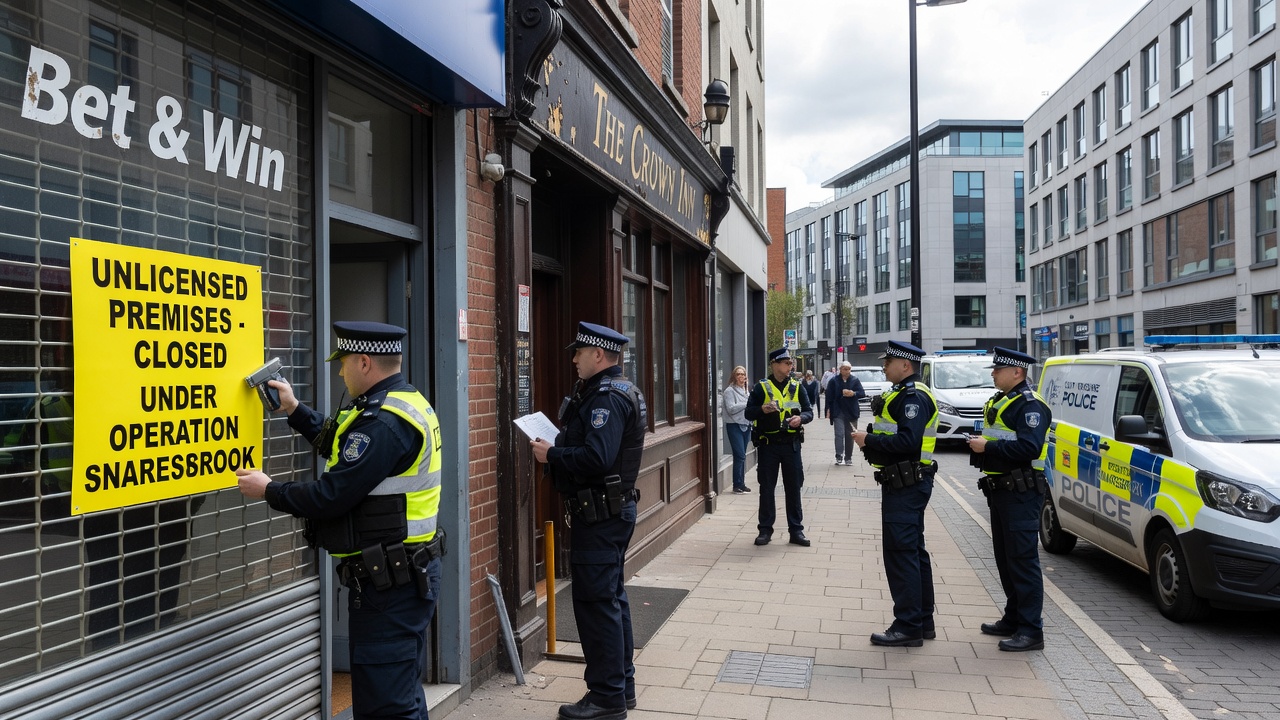
Provisional status comes with clear conditions, starting with formal grant agreements that each of the 33 VCSE organisations must secure, followed by thorough due diligence to verify their readiness and alignment with goals. And then there's the kicker after 1 April 2026: recipients can't accept direct funding from the gambling industry, a rule that keeps independence intact while the prevention work ramps up.
People who've followed these policies observe how such clauses protect the integrity of harm reduction efforts, ensuring community groups rely on government-backed levy funds rather than industry ties that might muddy the waters. According to the official publication, this no-direct-funding stipulation kicks in precisely post-April 1, 2026, coinciding with the funding rollout and signaling a clean break for participants.
So, as April 2026 approaches, these organisations face a pivotal moment; due diligence will scrutinize their operations, finances, and plans, while the grant agreements outline deliverables for preventing and reducing gambling harms over the 2026-2028 period. It's not rocket science, but the ball's in their court to meet these benchmarks and activate the allocations.
There's this case from past VCSE funding rounds where groups navigated similar hurdles successfully, emerging stronger with tailored programs for at-risk communities; researchers discovered that compliance-focused processes like this one lead to more sustainable outcomes, and here, the 33 stand to benefit from that proven path.
The Application Window and Selection Process
From 14 January to 6 February 2026, VCSE organisations across England had their shot at these funds, submitting bids in a window that lasted just over three weeks; competition was fierce, as the process sifted through applicants to select the top 33 based on merit and potential impact. Observers note the tight timeframe encouraged focused, high-quality proposals, zeroing in on gambling harm prevention and resilience.
Now, with provisional allocations published, the focus shifts to finalizing those grants, but the initial assessment already highlights which groups impressed OHID evaluators. And while specifics on individual awards aren't detailed yet, the collective £25,441,281 total paints a picture of broad distribution, likely supporting diverse initiatives from local awareness campaigns to support networks.
Those who've studied competitive funding rounds often find that such processes favor organisations with proven track records in community health, and this one, tied to the gambling levy, aligns perfectly with national priorities for safer gambling environments.
Looking Ahead: From Provisional to Active Support
As the calendar flips toward 2026, these 33 VCSE groups prepare to deploy their shares of the £25.4 million, focusing on prevention that builds long-term resilience against gambling harms. The period from 2026 to 2028 offers a solid runway for programs to take root, especially with the post-April 1 industry funding ban ensuring arms-length operations.
What's significant is the scale: £25,441,281 isn't pocket change, and spread across England, it equips community sectors to reach vulnerable spots where harms hit hardest. Experts monitoring public health funding point to evidence that VCSE-led efforts excel in tailored interventions, from education drives to early intervention services, and this levy-sourced boost positions them squarely for success.
Yet, the provisional nature means hurdles remain; due diligence and agreements must clear before cheques clear, but with applications wrapped in early 2026, momentum builds steadily. And in a landscape where gambling-related issues persist, this allocation stands as a factual commitment to mitigation through 2028.
One researcher who analyzed prior OHID initiatives noted how timely funding like this correlates with measurable dips in harm indicators, although outcomes will unfold over time; for now, the 33 organisations hold the key to turning levy proceeds into real-world safeguards.
Conclusion
The OHID's provisional allocations of £25,441,281 to 33 VCSE organisations mark a deliberate step in England's fight against gambling harms, drawing from the statutory levy while imposing strict conditions like due diligence, grant agreements, and a post-1 April 2026 ban on direct industry funds. With applications assessed from the January-February 2026 window, these groups gear up for 2026-2028 action, channeling resources into prevention and resilience where it counts most in communities.
Turns out, this structured approach not only distributes the funds but safeguards their purpose, ensuring VCSE entities operate independently as they build safer environments; as April 2026 nears, final steps will activate this £25.4 million engine, with impacts set to ripple through England's voluntary sector for years ahead. The writing's on the wall: levy-backed community work remains central to the UK's gambling harm strategy.