Integrated Reward Pathways: Tracing How Mobile Reel Activity Links to Dealer Payouts and Sports Odds in Tiered Systems
Mia Neumann · Jun 16, 2026
Integrated Reward Pathways: Tracing How Mobile Reel Activity Links to Dealer Payouts and Sports Odds in Tiered Systems
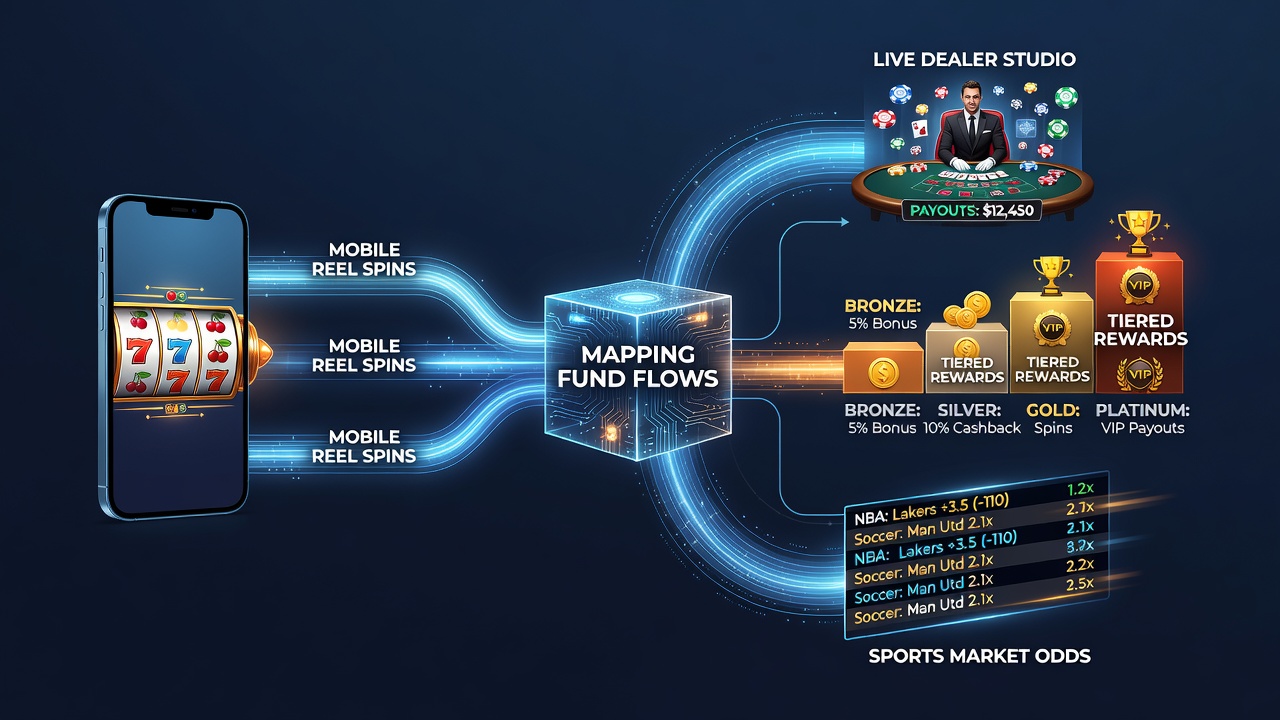
Operators track fund movements across mobile reel spins, live dealer sessions, and sports market wagers by routing activity through centralized loyalty platforms that assign tier status based on cumulative play. These systems assign points from each vertical and convert them into adjusted payout rates, bonus multipliers, and odds enhancements that reflect a player's current level.
Data from integrated platforms shows mobile reel spins often serve as the entry point for fund allocation because they generate high transaction volume. Points earned on reels feed directly into tier calculations that later influence live dealer return percentages and sports market pricing adjustments.
How Points Accumulate Across Verticals
Each reel spin contributes a base point value calculated from wager size and game volatility while live dealer tables add points through both bets placed and time spent at the table. Sports wagers contribute based on stake amount and market type with higher-risk odds offering accelerated point rates. Observers note that tier progression occurs when total points cross predefined thresholds which then unlock modified fund flow rules for all connected activities.
June 2026 brought updates to several multi-jurisdictional platforms that standardized point conversion formulas across regions. These changes aligned mobile reel contributions more closely with live dealer and sports data streams so that a single tier status now applies uniformly to payout calculations.
Fund Routing Mechanisms
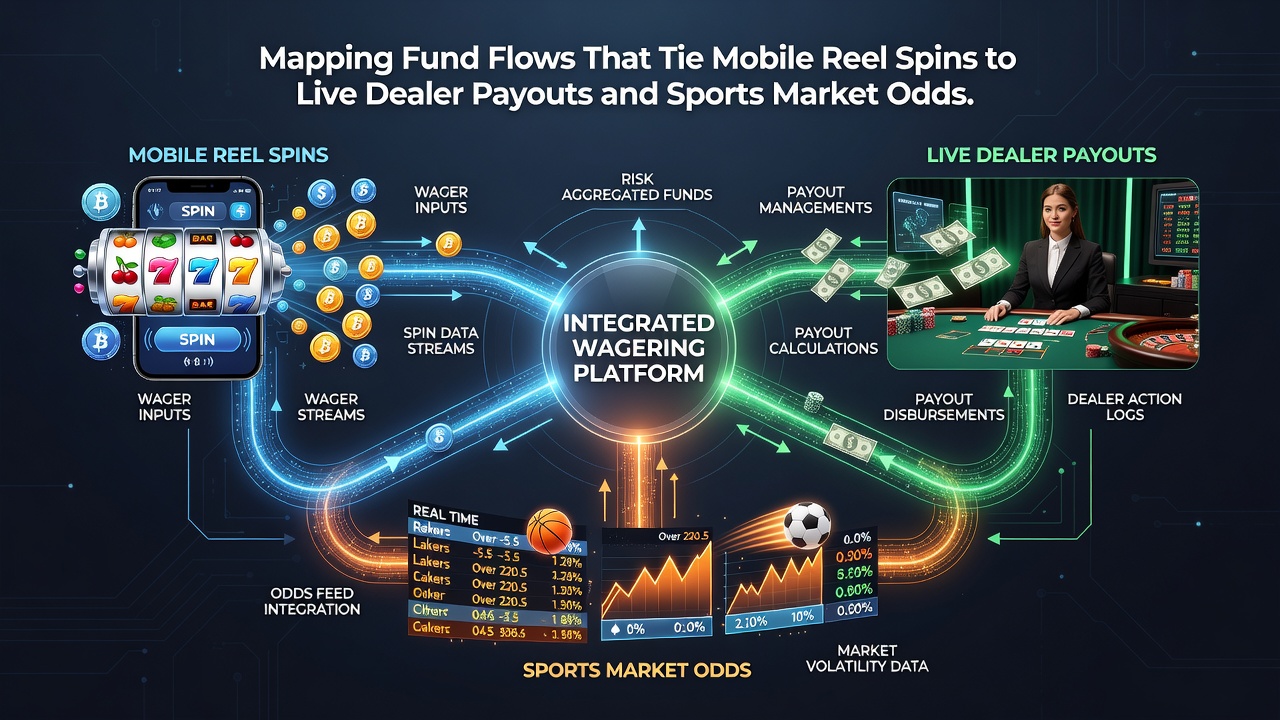
Once a player reaches a new tier the system reroutes a portion of future wagers into dedicated reward pools. Mobile reel activity directs a slice of each spin's value into these pools while live dealer payouts draw from the same pool when tier benefits trigger. Sports market odds receive dynamic adjustments where higher-tier accounts see modified lines that reflect accumulated loyalty credits.
Payment processors handle the actual movement of funds between player wallets, game ledgers, and reward accounts. Real-time ledgers record each transfer so operators can reconcile mobile reel contributions against live dealer disbursements and sports settlement amounts on a per-tier basis.
Tier Benefits and Payout Adjustments
Lower tiers typically apply standard payout rates across all verticals. Mid-level tiers introduce modest multipliers on live dealer wins and small improvements to sports odds margins. Upper tiers unlock larger conversions where mobile reel points generate higher-value credits that directly increase live dealer return percentages and widen favorable sports market spreads.
According to industry reports published by the American Gaming Association these tier-driven adjustments create measurable shifts in average player return rates. The data shows upper-tier accounts experience elevated effective returns compared with base-level accounts because reward credits offset standard house edges.
Cross-Vertical Settlement Examples
Take one platform that processed a mobile reel session generating 4,200 points in a single evening. Those points elevated the account to the next tier overnight. The following day the same player placed live dealer wagers that settled at the enhanced rate and later entered sports markets where odds reflected the updated tier status. Settlement records show the reward credits offset portions of the original reel wagers while simultaneously boosting live dealer adn sports outcomes.
Another documented case involved a mid-tier account that combined mobile reel volume with sports wagers during a major event. The combined points triggered an automatic payout adjustment on pending live dealer tables which settled the same evening. Ledger entries confirm the funds moved from the reward pool into the player's main balance within minutes of each settlement.
Technical Infrastructure Supporting the Flows
Backend systems rely on unified player profiles that aggregate activity from mobile applications, live dealer interfaces, and sports betting engines. These profiles feed a central rewards engine that recalculates tier status after every qualifying transaction. Application programming interfaces push updated tier data back to each vertical so payout engines apply the correct multipliers without manual intervention.
Security protocols encrypt all fund movements between modules while audit trails log every point conversion and payout adjustment. Regulatory frameworks in multiple jurisdictions require operators to maintain these records for review periods that can extend several years.
Conclusion
Mapping fund flows across mobile reel spins, live dealer payouts, and sports market odds requires coordinated tier systems that convert activity into unified reward credits. These credits then influence settlement values across all connected verticals through automated routing and dynamic adjustments. Industry data indicates the approach creates traceable pathways that operators monitor for compliance and reconciliation purposes.