Guardian Exposé Uncovers Curaçao Casino Network Preying on UK Gamblers, Dodging GamStop with AI and Affiliates
Mia Neumann · Apr 4, 2026

Guardian Exposé Uncovers Curaçao Casino Network Preying on UK Gamblers, Dodging GamStop with AI and Affiliates
The Joint Probe That Lifted the Lid
A collaborative investigation by The Guardian and Investigate Europe, published in early April 2026, has spotlighted Santeda International, an unlicensed online casino operator rooted in Curaçao and tied to Georgian businessmen Tornike Tvauri, Alexander Makashvili, and Mikheil Merebashvili; this network powers sites like MyStake, Velobet, and Goldenbet, all aggressively courting UK gamblers, even those who've self-excluded through GamStop, with data revealing 2.3 million monthly unique visitors from the UK between November 2025 and January 2026.
Experts tracking illicit gambling operations note how such networks thrive in regulatory gray zones, exploiting Curaçao's lax licensing while funneling traffic straight to British players who thought they'd blocked themselves out; the probe details Santeda's structure, from shell companies to payment processors, painting a picture of a vast, shadowy empire that's raked in millions by skirting UK rules designed to protect vulnerable people.
What's interesting here is the scale: those 2.3 million visitors didn't stumble in by accident, but arrived via sophisticated marketing that ignores GamStop's national self-exclusion database, a tool meant to shield problem gamblers across licensed UK sites.
Key Players and Their Hidden Empire
Tornike Tvauri, Alexander Makashvili, and Mikheil Merebashvili emerge as central figures in the probe, with business records linking them to Santeda through a web of Curaçao entities; Tvauri, for instance, appears as a director in multiple filings, while Makashvili and Merebashvili connect via shared addresses and overlapping ventures, according to documents unearthed by the investigators.
Santeda operates from Curaçao, a Caribbean hub notorious for hosting hundreds of unlicensed casinos that target restricted markets like the UK, where the Gambling Commission mandates strict licensing; without a UK license, these sites can't legally advertise or serve British players, yet they do, pulling in traffic through back channels and non-compliant affiliates.
And here's the thing: the network doesn't stop at casinos; it spans sports betting too, with Velobet offering odds on Premier League matches right alongside MyStake's slots, all accessible via VPNs or mirrors that dodge geo-blocks, a tactic observers have seen proliferate since tighter UK stake limits kicked in late 2025.
Tactics to Evade Detection and Regulations
Investigators uncovered Santeda's use of AI-generated fake executives to front the operation, creating illusory legitimacy with fabricated bios and headshots plastered across sites and affiliate pages; these digital phantoms, complete with LinkedIn profiles and corporate emails that lead nowhere, fool casual checks while the real control stays with the Georgian trio.
Affiliate marketing forms the backbone, with promoters earning commissions for driving UK traffic, often through social media ads, YouTube streams, and SEO-optimized blogs that tout "GamStop-free" gaming; one affiliate program dangles up to 50% revenue shares, pulling in influencers who bypass disclosure rules and target self-excluded players with promises of easy wins.
Payment flows add another layer: Santeda routes funds through obscure processors in Cyprus and Eastern Europe, complicating tracing efforts; data from the probe shows deposits via cards, e-wallets, and crypto, with withdrawals delayed or denied under vague terms, leaving players exposed to fraud while money laundering risks loom large, as Curaçao's oversight remains minimal.
Turns out, this mirrors patterns seen in other rogue networks, where AI tools now automate not just execs but chat support bots that mimic empathy, all while collecting data on UK habits for targeted pushes.
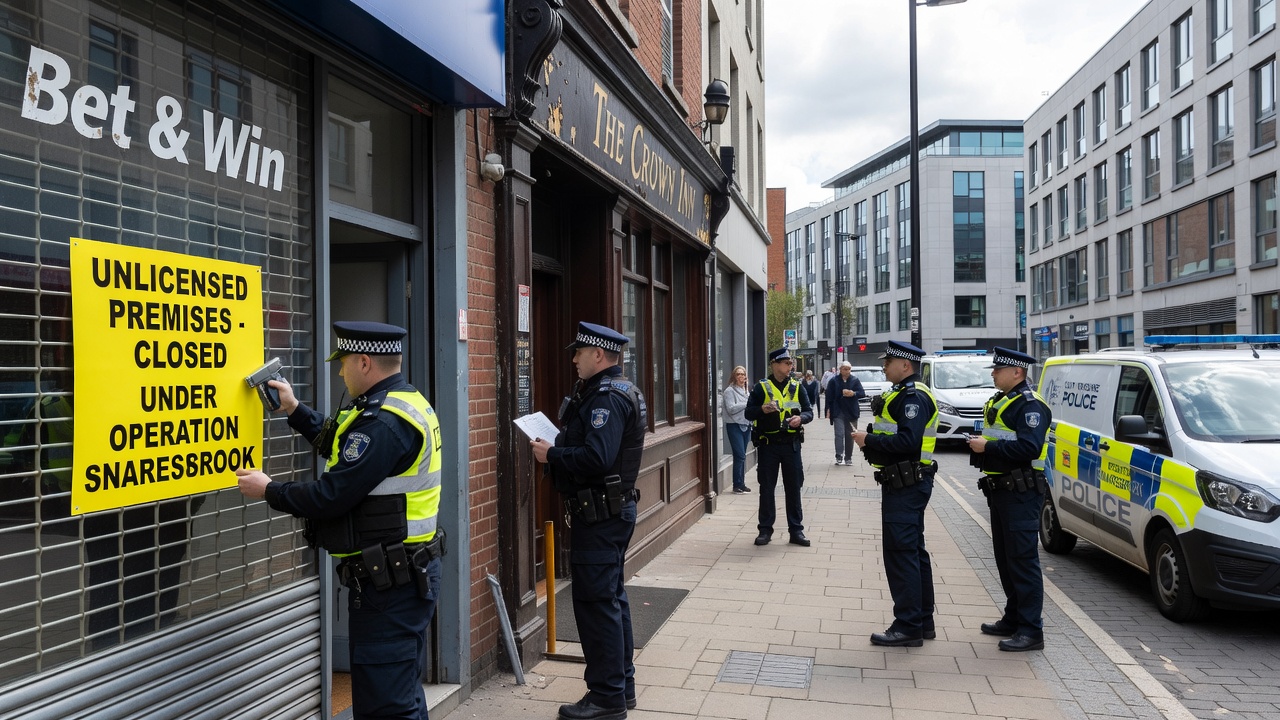
The Devastating Toll on UK Gamblers
Real stories cut through the tech: one gambler, self-excluded via GamStop, lost £23,000 on MyStake over months, chasing losses on slots and roulette amid aggressive bonuses that reset wagering requirements just enough to keep play going; figures from the investigation highlight similar cases, with players reporting frozen accounts post-big wins and pressure to deposit more.
Fraud risks compound the harm, as unlicensed sites harvest card details without PCI compliance, leading to unauthorized charges; money laundering enters the frame too, with high-rollers depositing vast sums via crypto mixers, echoing concerns from UK anti-crime units about gambling's underbelly.
Tragedy struck in January 2026 when a suicide linked to Goldenbet losses made headlines locally, prompting family pleas for enforcement; observers note this isn't isolated, with GamStop's limitations exposed when offshore sites ignore it entirely, leaving self-excluded individuals just a Google search from relapse.
People who've studied addiction patterns point out how these platforms weaponize psychology, from near-miss slots to live dealer chats that build false rapport, all fueling a cycle that's cost UK punters dearly amid 2026's economic squeezes.
Regulatory Pushback and Funding Hurdles
Labour MP Alex Ballinger, whose constituency has seen gambling harms firsthand, demanded stronger action from the UK Gambling Commission in April 2026 statements, slamming the body for slow takedowns despite £26 million in fresh funding earmarked for illicit site crackdowns; that cash, part of 2025's levy hikes, aims at AI monitoring and international partnerships, yet enforcement lags.
The Commission faces steep challenges: blocking thousands of domains requires ISP cooperation, while affiliates scatter across platforms; data indicates only a fraction of rogue sites get hit, with mirrors popping up overnight, and Curaçao's government, despite EU pressure, drags feet on revoking licenses.
But here's where it gets interesting: the probe coincides with Gambling Commission reforms, including enhanced self-exclusion tools and stake caps, yet unlicensed operators like Santeda exploit gaps, underscoring calls for a unified EU blacklist or direct fines on payment firms.
Experts who've tracked this beat observe how funding boosts help, but without global teeth, networks adapt faster than regulators can block; one case study from the investigation shows a MyStake mirror live within hours of a takedown notice.
Broader Implications in April 2026 Landscape
As of April 2026, the UK gambling scene grapples with post-reform realities, where licensed operators report £25.7 billion in late 2025 wagers under new limits, yet illicit traffic siphons off vulnerable shares; Santeda's 2.3 million visitors represent a chunk that licensed sites can't touch, highlighting enforcement's whack-a-mole nature.
Those in the industry watch closely, knowing probes like this spur action: past Guardian exposés led to domain seizures and affiliate bans, so Ballinger's push might accelerate blocks on Santeda domains; meanwhile, GamStop expansions loom, potentially netting crypto wallets and social logins to close loopholes.
It's noteworthy that Georgian links raise geopolitical angles, with Tvauri's crew possibly funding via Eastern networks, complicating diplomacy; researchers suggest this could prompt UK-Curaçao pacts, similar to recent Gibraltar deals.
Conclusion
The Guardian and Investigate Europe probe into Santeda International lays bare a persistent threat: unlicensed casinos luring UK players past GamStop barriers using AI sleight-of-hand and affiliate armies, inflicting £23,000-scale losses, fraud perils, laundering shadows, and even a January 2026 suicide; with 2.3 million monthly UK visitors and £26 million in Commission funding under scrutiny, MP Ballinger's call echoes wider demands for robust enforcement.
Regulators now hold the ball, tasked with bridging gaps in a digital wild west where Curaçao operators like MyStake, Velobet, and Goldenbet keep spinning; data from the investigation signals urgency, as patterns persist and players pay the price, pushing for tech-savvy blocks and international muscle to safeguard the flock.