Examining the Interplay of Loyalty Programs and Efficient Payment Methods in Mobile Platforms Offering Slots, Live Dealer Games, Table Classics, and Sports Markets
Mia Neumann · May 21, 2026
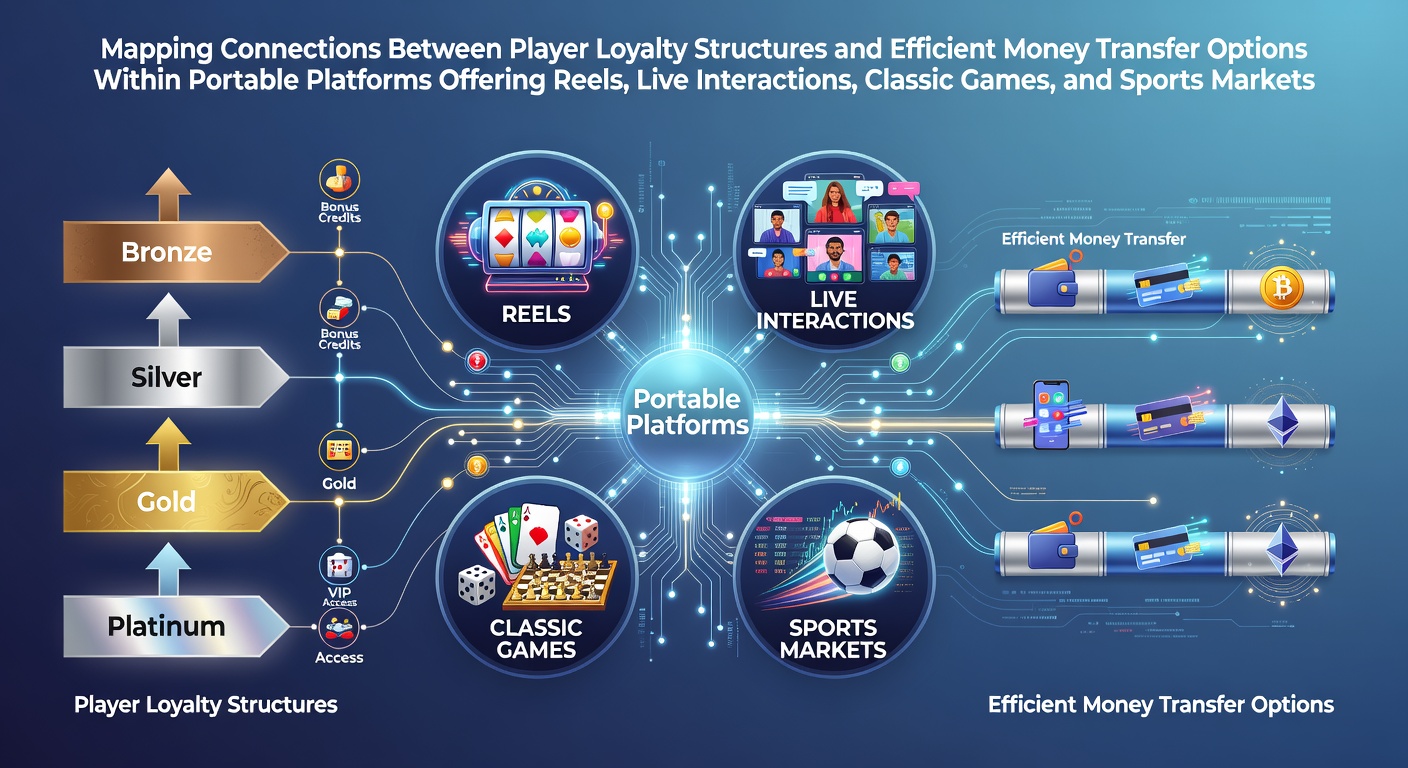
Examining the Interplay of Loyalty Programs and Efficient Payment Methods in Mobile Platforms Offering Slots, Live Dealer Games, Table Classics, and Sports Markets
Portable platforms that combine reels, live dealer streams, classic table games, and sports markets have developed intricate loyalty frameworks alongside rapid money transfer systems, and observers note these elements often operate in tandem to support sustained user engagement across devices. Research from industry bodies shows that tiered reward structures frequently tie into payment processing speeds, where higher loyalty levels unlock expedited withdrawal options or reduced transaction fees for users who accumulate points through consistent play on slots or wagers on live events.
Data indicates many operators integrate these systems so that accumulated loyalty points convert directly into bonuses that process via the same e-wallet channels used for initial deposits, creating a streamlined loop for players who move between reel spins, dealer interactions, and sports stakes on their phones. According to reports from the European Gaming and Betting Association, mobile-first designs account for a growing share of transactions because they pair reward multipliers with instant verification methods that cut processing times from hours to minutes in many cases.
Loyalty Structures Across Game Types
Operators build loyalty programs that reward activity across reels, live interactions, table classics, and sports markets with points scaled by bet size and frequency, while these same programs often link point totals to payment preferences like prioritized bank transfers or crypto options that reduce friction for frequent users. Studies from the American Gaming Association reveal that players reaching mid-tier status typically see average deposit-to-play cycles shorten because loyalty dashboards embed direct links to verified payment accounts, allowing seamless top-ups without separate verification steps each time.
Those who study user patterns find that live dealer sessions and sports market bets contribute disproportionately to point accumulation in some programs because they carry higher average stakes than standard reel play, and this weighting encourages operators to align those earnings with faster payout pipelines for VIP segments. In practice, a player who logs consistent table game sessions might unlock same-day e-wallet withdrawals that standard users wait longer to access, illustrating how loyalty tiers shape transaction efficiency without requiring additional user input.
Payment Efficiency and Platform Integration
Efficient money transfer options on these portable platforms rely on e-wallets, instant bank links, and digital currencies that sync with loyalty databases to verify user status before approving transfers, and this integration reduces errors while maintaining compliance across regions. Figures from regulatory analyses show transaction volumes through mobile apps rose steadily through 2025, with loyalty-linked accounts processing a higher percentage of withdrawals in under thirty minutes compared to non-tiered profiles.
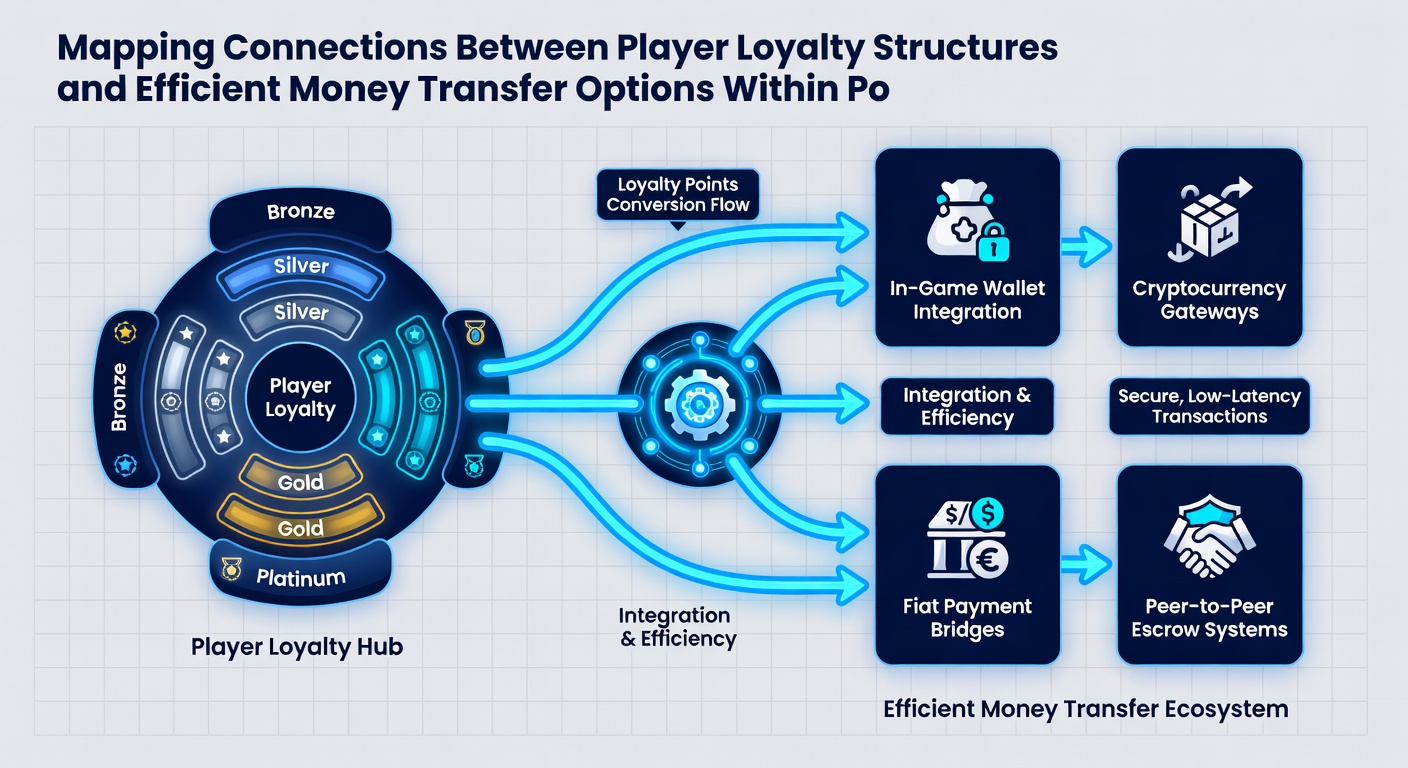
Platform developers embed these connections within app interfaces so that reward redemptions trigger payment flows automatically, whether a user claims a bonus after live dealer rounds or converts sports market winnings through a preferred wallet. Observers tracking these trends note that classic game sections often serve as testing grounds for new payment features because table limits allow operators to monitor how loyalty perks affect larger transfer volumes without disrupting reel or live play traffic.
Regional Developments and Outlook for May 2026
By May 2026, updates from international gaming technology forums are expected to highlight further refinements in how loyalty data informs payment routing decisions, particularly for cross-border users accessing sports markets and live streams on the same device. Academic papers from research institutions in Canada and Australia have examined similar linkages and found that platforms offering unified loyalty-payment dashboards report higher retention rates because users experience fewer interruptions when moving funds between game categories.
Industry reports continue to document that operators refine these mappings to accommodate regulatory shifts in multiple jurisdictions, ensuring that reward redemptions align with local rules on transaction reporting while preserving speed for end users. Those who review platform analytics observe that sports betting sections increasingly feed into loyalty systems that prioritize certain transfer methods, such as instant bank pushes for high-tier members who place frequent in-play wagers.
Conclusion
Connections between loyalty structures and money transfer options on portable gaming platforms create operational efficiencies that support varied play styles across reels, live interactions, table classics, and sports markets, and ongoing data collection helps operators adjust these linkages as user preferences evolve. Research indicates sustained focus on integration will shape how platforms manage both rewards and funds in the coming periods.