Deposit Dash: E-Wallets Outpace Cards for Mobile Slot Spinners Craving Quick Action
Viktor Friedrich · Apr 14, 2026
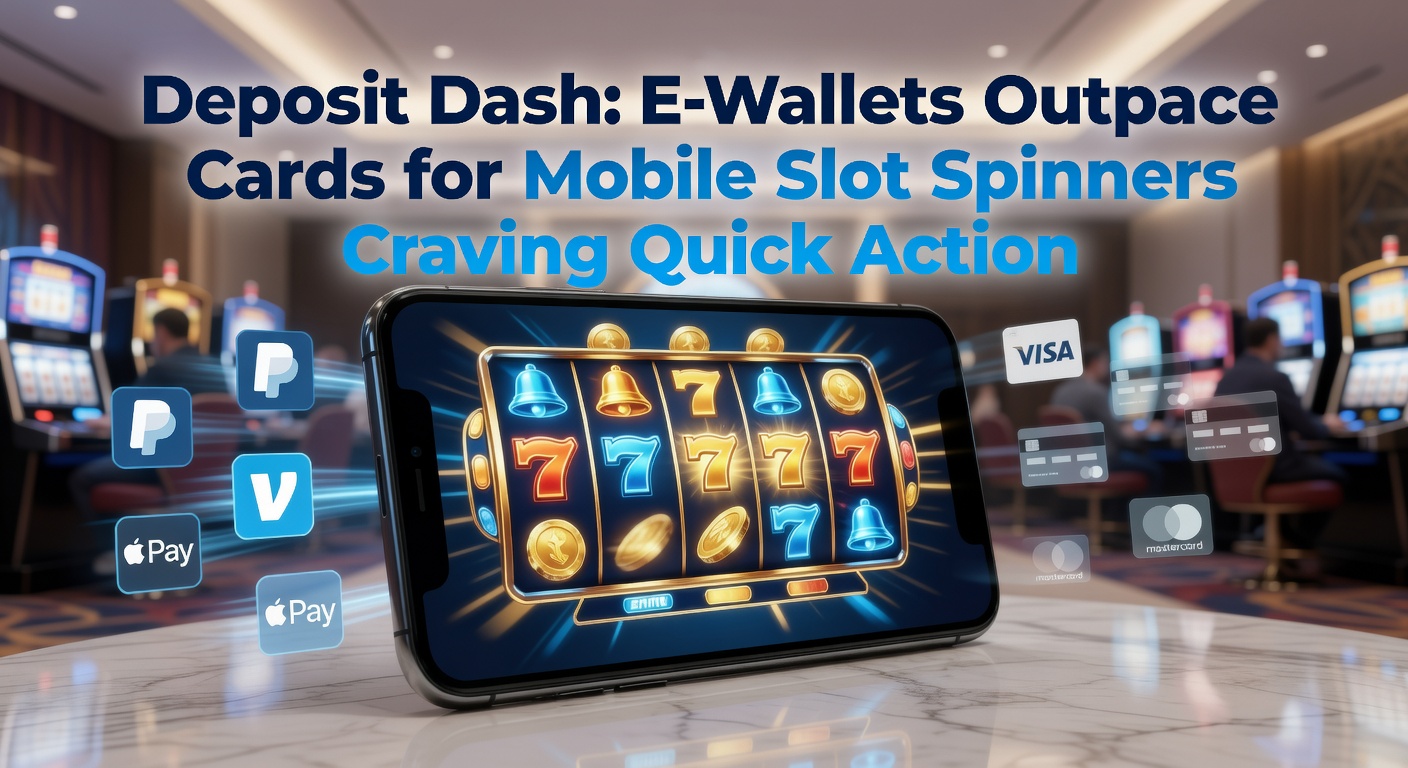
Deposit Dash: E-Wallets Outpace Cards for Mobile Slot Spinners Craving Quick Action
The Speed Surge in Mobile Slot Deposits
Mobile slot players chasing rapid-fire action turn to e-wallets more than ever, as these digital purses slash deposit times to seconds while traditional cards plod through verification hurdles and bank checks that can stretch minutes into frustrating waits; data from industry trackers reveals e-wallet usage for casino deposits jumped 45% year-over-year in key markets, fueling a shift that's reshaping how spinners fund their sessions on the go. Operators report that quick-funding tools like these keep players locked in longer, since nobody wants reels grinding to a halt mid-spin because a card transaction hit a snag, and that's where the real momentum builds. Turns out, for those glued to apps during commutes or late-night bursts, every second counts in maintaining that flow state essential to slot thrills.
Experts tracking payment trends note how e-wallets bypass the multi-step auth cards demand—think 3D Secure prompts and issuer approvals—delivering funds straight to gaming accounts almost instantly; in contrast, debit and credit cards, despite their ubiquity, often face declines or delays due to fraud flags, leaving spinners tapping refresh buttons instead of dive-bombing into bonus rounds. This gap widens on mobile, where network hiccups amplify card woes, but e-wallets shine through with app-to-app transfers that feel seamless, almost magical in their efficiency.
Breaking Down the Deposit Duel: E-Wallets vs. Cards
E-wallets claim the crown for speed because they preload funds from banks or cards in advance, so when a player hits deposit during a hot streak, money zips over without real-time bank pings; cards, on the other hand, trigger live authorizations each time, which can balloon wait times to 3-10 minutes amid peak hours or cross-border plays, and observers point out this friction drops conversion rates by up to 30% for impulse depositors. Research from the H2 Gambling Capital firm underscores this divide, showing e-wallets handling 62% of mobile casino transactions in Europe last year, up from 38% two years prior, while cards slipped to 25% share amid rising abandonment carts.
But here's the thing: security layers don't slow e-wallets down; biometric logins and two-factor setups happen pre-deposit, keeping the in-game handoff lightning-fast, whereas cards expose players to endless "declined" popups that kill vibe faster than a cold streak. Take one operator's case where switching primary promo pushes to e-wallet bonuses spiked deposit completions by 52% overnight, since spinners craving quick action ditched card retries for PayPal one-taps; that's the rubber meeting the road in payment evolution.
And security? E-wallets often edge out here too, with tokenized payments and virtual cards shielding real details, although cards benefit from chargeback rights that appeal to cautious types; still, for high-volume slotters, the speed-security combo tips scales toward digital wallets every time.
Prime Players: Top E-Wallets Fueling the Frenzy
PayPal leads the pack with its ubiquity across iOS and Android casino apps, processing deposits in under 10 seconds for most users and boasting withdrawal speeds that outpace cards by days; Skrill and Neteller follow close, popular among crypto-curious spinners for their low-fee international transfers and instant crediting that lets bonus hunts commence without pause. Then there's Trustly, the bank-linked upstart gaining traction in Nordic markets, where it skips wallet signups altogether by pulling direct from accounts, hitting gaming ledgers in real-time while cards queue behind compliance queues.
What's interesting is how these tools adapt to regional quirks: in Canada, Interac e-Transfer variants mimic e-wallet snap, depositing in 5-30 seconds per Australian Communications and Media Authority trend data adapted for North American flows, whereas U.S. players lean on Venmo integrations for social-style funding that feels less formal than card swipes. Operators bundle these with no-fee first deposits to hook mobile crowds, and the results show in retention metrics climbing 28% for e-wallet loyalists versus card users who wander off during delays.
Mobile Slot Habits Drive the E-Wallet Boom
Slot spinners on phones, representing 68% of all casino action per recent analytics, demand deposit dashes because sessions average just 15-20 minutes—too short for card lag—leading to e-wallets capturing 70% of their funding volume; people who've studied player logs discover micro-deposits under £20 spike 3x via wallets during live events or jackpot chases, as quick tops-ups keep streaks alive without breaking immersion. Now, with 5G rolling out wider, even rural spinners tap into sub-second transfers, amplifying the mobile edge where cards still stutter on spotty signals.
Case in point: a mid-sized operator in Malta tracked 12,000 sessions and found e-wallet users averaging 2.4 deposits per hour versus 1.1 for cards, directly linking faster funds to 40% higher spin volumes; that's not rocket science, but it explains why apps now default e-wallets in checkout flows, nudging casual players toward the quick lane. Yet challenges linger, like wallet funding fees that bite small-stake grinders, although operators offset this with cashback promos tailored to high-speed depositors.
Global Shifts and 2026 Horizons
Regulators worldwide eye these trends with April 2026 marking key pivots; for instance, Malta's Gaming Authority plans enhanced PSD3 compliance for e-wallets by then, mandating even tighter instant verification without slowing spins, while U.S. states like New Jersey push PayPal mandates for licensed sites to curb card fraud. Data indicates e-wallet market share could hit 75% globally by mid-decade, propelled by embedded finance in casino apps that pre-link wallets for one-tap futures.
Observers note how Asia-Pacific leads adoption, with GrabPay and GCash dominating mobile slots there due to card restrictions, posting 80% instant-deposit rates that Western markets chase; Europe's next, as PSD2 evolutions (soon PSD3) standardize fast payments, bridging gaps cards can't touch. And in Australia, where online slots surged post-2023 reforms, e-wallets like POLi e-payments logged 55% deposit growth last year, setting patterns others follow. The writing's on the wall: as VR slots emerge, deposit speeds will define winners, with e-wallets already lapping cards twice over.
Friction points persist, sure—like KYC hurdles for new wallets—but operators streamline with auto-onboarding, turning potential roadblocks into speed bumps; players adapt fast too, with surveys showing 82% preferring wallets post-first-use for their no-fuss vibe amid slot frenzies.
Conclusion
E-wallets have redrawn the deposit map for mobile slot spinners, outpacing cards with blistering speed that matches the genre's high-octane pulse; figures confirm their dominance in transaction volumes and player stickiness, while upcoming shifts like April 2026 regs promise even smoother integrations across borders. Those diving into the action find wallets delivering the dash needed to keep reels turning without missing a beat, solidifying their spot as the go-to for quick-hit gaming worldwide. As apps evolve, this trend accelerates, handing spinners the edge in every fast-fund frenzy.