DCMS Sets Out Gambling Commission Fee Adjustments for October 2026 Implementation
Clara Keller · Jul 7, 2026

DCMS Sets Out Gambling Commission Fee Adjustments for October 2026 Implementation
The Department for Culture, Media and Sport has released its formal response to the consultation that ran from January through March 2026 on proposals to adjust funding arrangements for the Gambling Commission, and this document confirms that most operating and personal licence fees will rise by 25 percent from 1 October 2026 through secondary legislation while society lottery fees remain unchanged and certain betting licences receive targeted adjustments.
Those who have followed the regulator’s recent activities note that the changes are designed to provide the Gambling Commission with the resources needed to continue its core supervisory functions together with the delivery of commitments set out in the government’s White Paper on gambling reform. Observers point out that the decision comes at a time when the Commission is expanding its work on player protection measures, compliance monitoring, and enforcement activity across the licensed market.
Consultation Background and Timeline
The consultation period allowed operators, trade bodies, and other stakeholders to submit views on how the regulator should be funded going forward, and the published government response summarises those contributions while stating the final policy position. As July 2026 progresses, licensing teams at casinos and other gambling businesses are reviewing the new fee tables to prepare budgets and renewal schedules that will take effect in the autumn. The secondary legislation route means the fee increases will be enacted without requiring a new primary bill, which keeps the process on the announced timetable.
Specific Fee Changes Confirmed
Under the confirmed structure most operating licence fees and personal licence fees will increase by 25 percent, yet society lotteries will continue to pay their existing rates and selected categories of betting licences will see bespoke calculations that reflect their particular risk profiles or scale of activity. The adjustments recognise differences across licence types while still delivering an overall uplift in revenue for the Commission. Data published alongside the response shows the new fee bands that will apply once the legislation comes into force on 1 October 2026.
Operators in the casino sector in particular are examining how the higher fees will sit alongside existing compliance costs, and trade associations have begun circulating guidance that breaks down the revised charges by licence category. The changes apply uniformly across Great Britain, although some operators hold multiple licence types and therefore face a combined increase that reflects each component licence.
Purpose of the Revised Funding Model
The additional income is intended to support the Gambling Commission’s day-to-day regulatory work as well as the specific programmes outlined in the White Paper, including enhanced data collection, improved risk assessment tools, and continued development of the single customer view initiative. Those who have studied the regulator’s annual reports note that the Commission has highlighted funding constraints in previous years, and the fee adjustment provides a direct mechanism to address those pressures without drawing on general taxation.
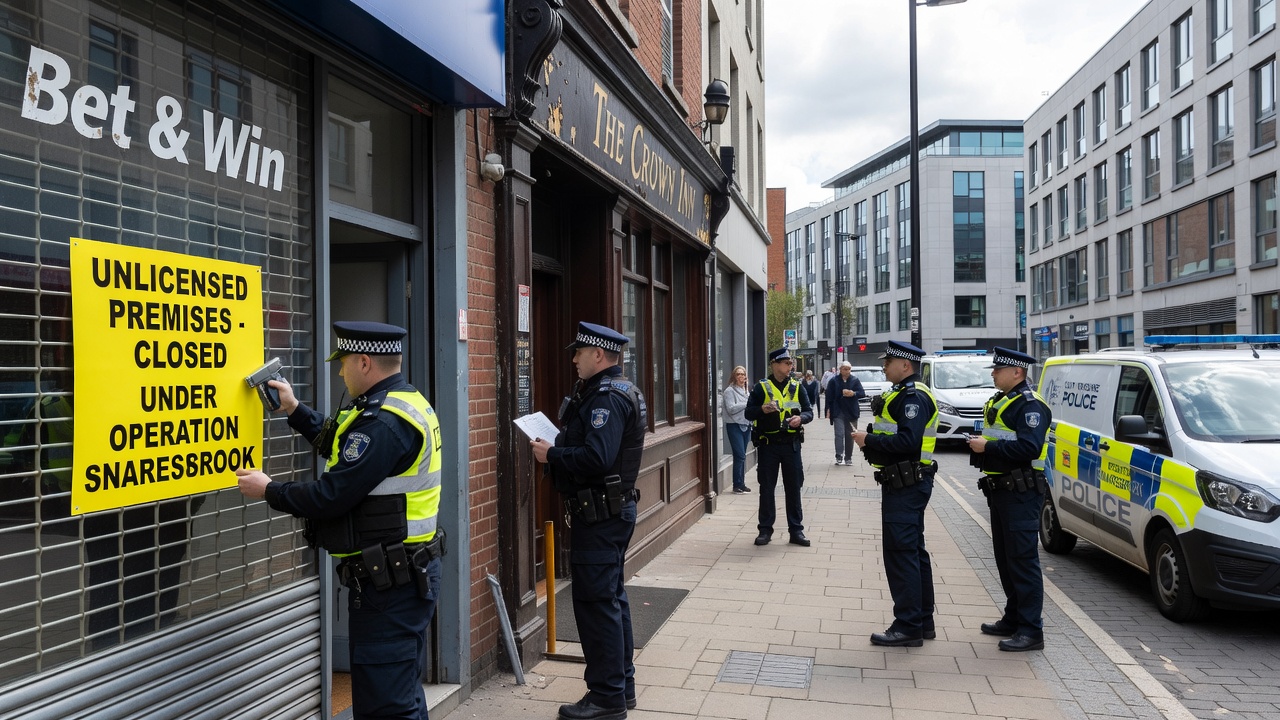
According to the government response document, the fee model has been calibrated to maintain proportionality while ensuring the regulator can meet its statutory duties. The approach avoids across-the-board percentage increases for every licence holder by carving out protections for society lotteries and making limited adjustments elsewhere.
Impact on Licensed Operators
Casino operators, online betting firms, and other licence holders are now incorporating the new charges into their financial planning for the remainder of 2026 and beyond. Renewal notices issued after 1 October will reflect the updated amounts, and businesses that hold multiple licences will see cumulative effects that vary according to the mix of permissions they possess. Industry accountants have started to model cash-flow scenarios that factor in both the fee rise and the ongoing costs associated with White Paper compliance projects.
Smaller operators in particular are reviewing whether the increase alters the viability of certain low-margin products, while larger groups are absorbing the change across diversified portfolios. The Gambling Commission has indicated that it will publish updated fee calculators on its website ahead of the October implementation date to help licence holders prepare accurate submissions.
Next Steps and Implementation
Secondary legislation will be laid before Parliament in the coming weeks, and once approved the new fee regime will apply automatically from 1 October 2026. The Commission is expected to issue further operational guidance that clarifies how the changes interact with existing payment schedules and any transitional arrangements for licences that straddle the implementation date. Those who monitor regulatory developments note that the process follows the standard pattern for fee adjustments and has so far encountered no procedural delays.
Conclusion
The DCMS response therefore finalises a clear pathway for increased Gambling Commission funding that balances the need for regulatory capacity with recognition of different licence categories. From July 2026 onwards, operators across the sector are aligning internal processes with the October start date, and the changes will take effect as planned through the secondary legislation mechanism. The adjustments leave society lottery fees untouched while delivering the 25 percent uplift to most other operating and personal licences, thereby providing the regulator with the resources required to advance its programme of work.