Charting the Synergies of Secure Transactions and Personalized Tiers Within Portable Entertainment Suites
Clara Keller · Jun 23, 2026
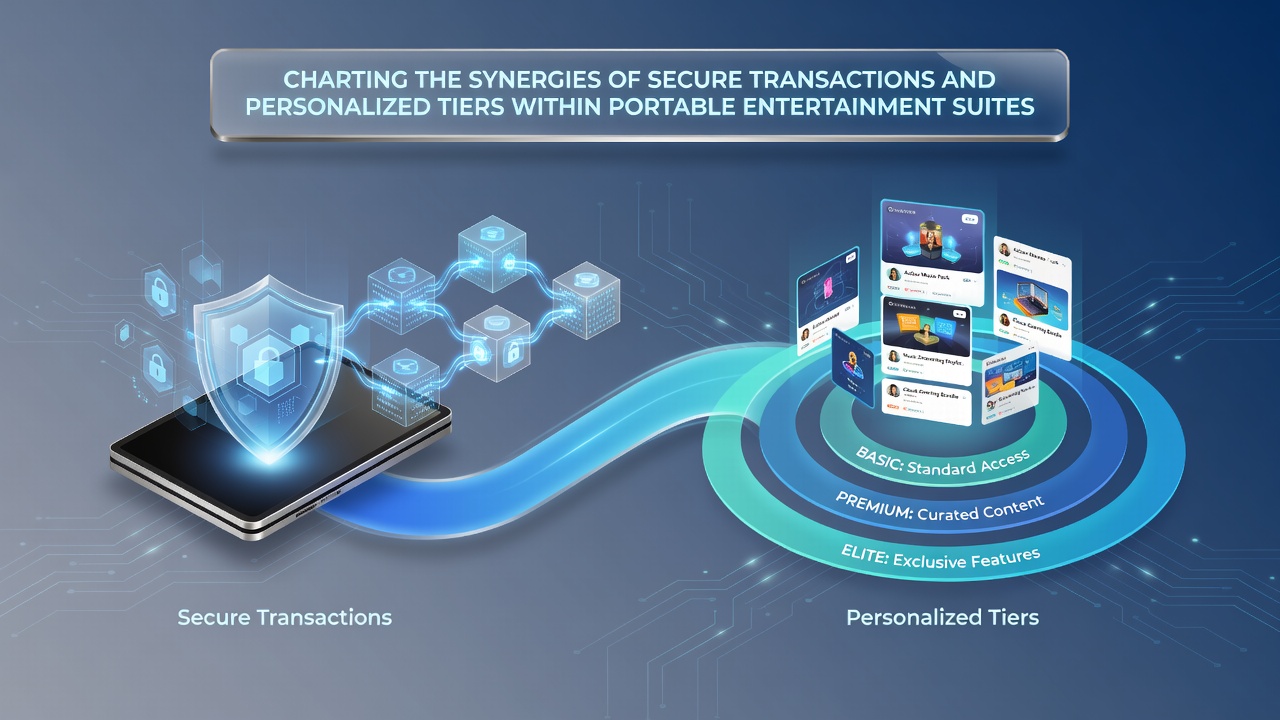
Charting the Synergies of Secure Transactions and Personalized Tiers Within Portable Entertainment Suites
Portable entertainment suites have evolved into complex ecosystems where secure transaction frameworks intersect directly with tiered personalization systems, and operators now integrate these elements to manage user engagement across mobile platforms. Data from industry analyses indicates that transaction volumes in mobile gaming environments reached notable levels by early 2026, while loyalty structures adapted to deliver customized rewards based on activity patterns. Observers note that this combination supports operational efficiency without compromising data protection standards.
Secure Transaction Mechanisms in Mobile Environments
Transaction pipelines in portable entertainment applications rely on layered encryption protocols and multi-factor authentication sequences to process deposits and withdrawals. Financial institutions and technology providers have developed standards that align with regional compliance requirements, and these measures allow funds to move through e-wallet integrations or direct banking channels while maintaining audit trails. Researchers at institutions such as the University of Nevada, Las Vegas have documented how tokenization reduces exposure during payment handoffs, and operators apply these techniques across slot mechanics, live dealer sessions, and sports wagering modules housed within single applications.
Payment processing times have shortened as providers adopted real-time verification tools, and June 2026 saw several platforms report average settlement windows under three minutes for verified accounts. Regulatory bodies in North America, including the Nevada Gaming Control Board, have issued guidance on risk-based monitoring that encourages operators to flag irregular patterns without disrupting routine user flows. Those frameworks work alongside industry benchmarks from groups like the European Gaming and Betting Association, which track cross-border transaction security metrics on an annual basis.
Structure of Personalized Tier Systems
Personalized tiers function through algorithmic segmentation that assigns users to levels according to cumulative activity, deposit frequency, and engagement duration. Each tier unlocks specific incentives such as accelerated reward multipliers, exclusive event access, or dedicated assistance channels, and these benefits scale progressively as users advance. Analysts have observed that successful programs incorporate dynamic adjustments, recalibrating thresholds quarterly to reflect shifting player behaviors across different game categories.
Operators collect anonymized datasets to refine tier criteria, and this approach permits targeted communications that align with individual preferences for game types or bonus formats. Evidence from market reports shows participation rates climbing when tiers incorporate both immediate perks and long-term progression markers, while maintaining separation between promotional content and core account security features.
Integration Points Between Transactions and Tiers
The synergy emerges when secure payment data feeds directly into tier evaluation models, allowing operators to verify activity without exposing sensitive details. For instance, completed transactions trigger automatic tier reviews, and this linkage supports seamless reward distribution such as instant bonus credits or priority withdrawal processing for higher-level users. Platforms that synchronize these systems report reduced friction in fund movements, since verified tier status can pre-approve certain transaction limits.
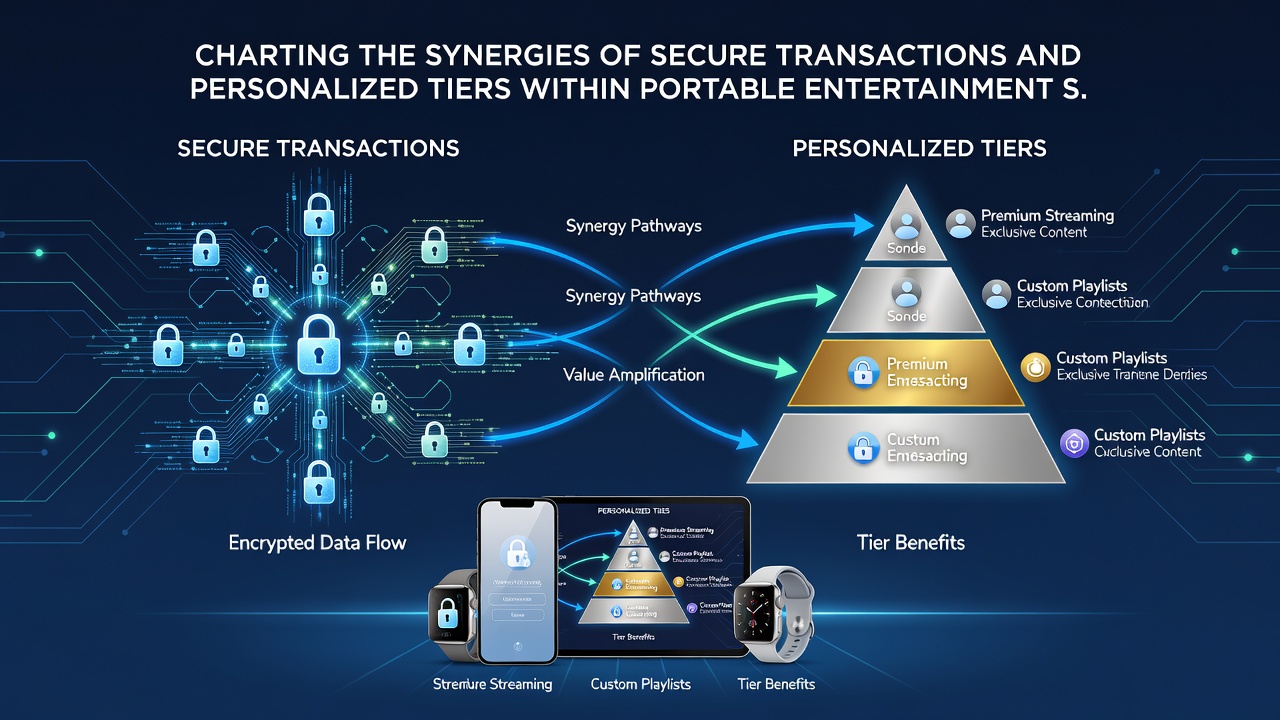
What's interesting is how encryption layers protect the data streams that inform personalization engines, and this protection enables operators to offer tailored cashback percentages or event invitations based on verified spending histories. Australian regulatory sources, including the Northern Territory Racing Commission, have highlighted similar integrations in regional markets where mobile penetration exceeds desktop usage, and those findings align with patterns seen in Canadian provincial oversight reports. One operator in a documented case study connected its payment gateway logs to a tier dashboard, resulting in faster eligibility confirmations for loyalty milestones.
Security audits conducted by independent firms verify that these connections do not create additional vulnerabilities, and compliance documentation typically includes encryption key rotation schedules alongside tier algorithm transparency statements. Observers note that such alignments reduce redundant data requests, since a single verified transaction history can serve both security validation and reward calculation purposes.
Industry Developments Through Mid-2026
By June 2026 several portable entertainment providers had expanded their use of biometric authentication within transaction flows, and these additions coincided with tier updates that granted premium users access to expedited verification queues. Trade publications from the Interactive Gaming Council detail how these enhancements support higher engagement metrics across multiple device types while preserving data integrity standards. Patterns indicate that regions outside the United Kingdom, such as parts of Asia-Pacific, have adopted comparable frameworks that emphasize interoperability between payment rails and loyalty databases.
Academic reviews from research centers in Canada have examined how tier progression influences transaction volume stability, finding correlations between personalized incentives and consistent activity levels when security protocols remain consistent. Operators apply these insights by adjusting tier boundaries in response to aggregated transaction data rather than individual identifiers, thereby maintaining privacy boundaries throughout the process.
Conclusion
The convergence of secure transaction systems and personalized tier structures within portable entertainment suites continues to shape operational practices across global markets. Integration occurs through shared data pathways that respect encryption requirements while enabling targeted reward mechanisms, and ongoing refinements reflect input from regulatory authorities and academic studies in multiple jurisdictions. As platforms adapt these elements, the emphasis remains on maintaining verifiable transaction records alongside progressive user classifications that respond to established activity patterns.