Casinos on Notice: UK Gambling Commission's Tightened Rules for Reporting Money Service Operations
Viktor Friedrich · Apr 6, 2026

Casinos on Notice: UK Gambling Commission's Tightened Rules for Reporting Money Service Operations
The Latest Directive from the Gambling Commission
Operators of UK casinos now face a streamlined yet stricter process for handling money service businesses (MSBs), as the UK Gambling Commission rolls out an updated notice in April 2026; this move requires casinos offering services like third-party cheque cashing or foreign currency exchange to notify the regulator within just ten days of either launching or ceasing such operations, sending details via msb@gamblingcommission.gov.uk along with specifics such as their licence number and the exact type of service involved.
What's interesting here is how this update builds directly on a prior notice issued back on 9 February 2026, refining the communication channels while emphasizing the need for prompt reporting; casinos engaging in MSB activities, which encompass money remittance and similar high-volume transactions, must already hold proper authorization from the Financial Conduct Authority (FCA) under the Payment Services Regulations 2017, a requirement that underscores the layered regulatory framework at play.
And while the core obligations remain consistent, this refreshed guidance sharpens the focus on transparency, ensuring that the Commission stays informed about which venues are dipping into these ancillary financial services amid a landscape where casinos often process substantial cash flows.
Breaking Down the Notification Process
Casinos kicking off MSB services, whether it's cheque cashing for high rollers or currency swaps for international patrons, now have a tight ten-day window to loop in the Gambling Commission; operators must fire off an email to msb@gamblingcommission.gov.uk, packing in key details like their non-remote casino operating licence number, a clear description of the service type—say, foreign exchange or money remittance—and confirmation of their FCA registration status under the 2017 regs.
But here's the thing: the same clock starts ticking if a casino decides to wind down those services, prompting another notification to keep records straight; this back-and-forth ensures regulators track the ebb and flow of financial activities within gambling premises, where large sums change hands daily, often blending gaming revenue with MSB transactions.
Take one typical land-based casino scenario, where experts observe operators partnering with third-party providers for cheque cashing to accommodate winners cashing out big payouts; under the new rules, that partnership's start or end triggers the email alert, complete with documentation that verifies compliance with both Gambling Commission licences and FCA oversight.
Figures from regulatory reports highlight why this matters, as casinos handling MSBs can see transaction volumes rival those of dedicated financial outlets, yet without the same built-in scrutiny; data indicates that such services, while convenient for players, expose venues to risks if not properly monitored.
Roots in AML and CTF Safeguards
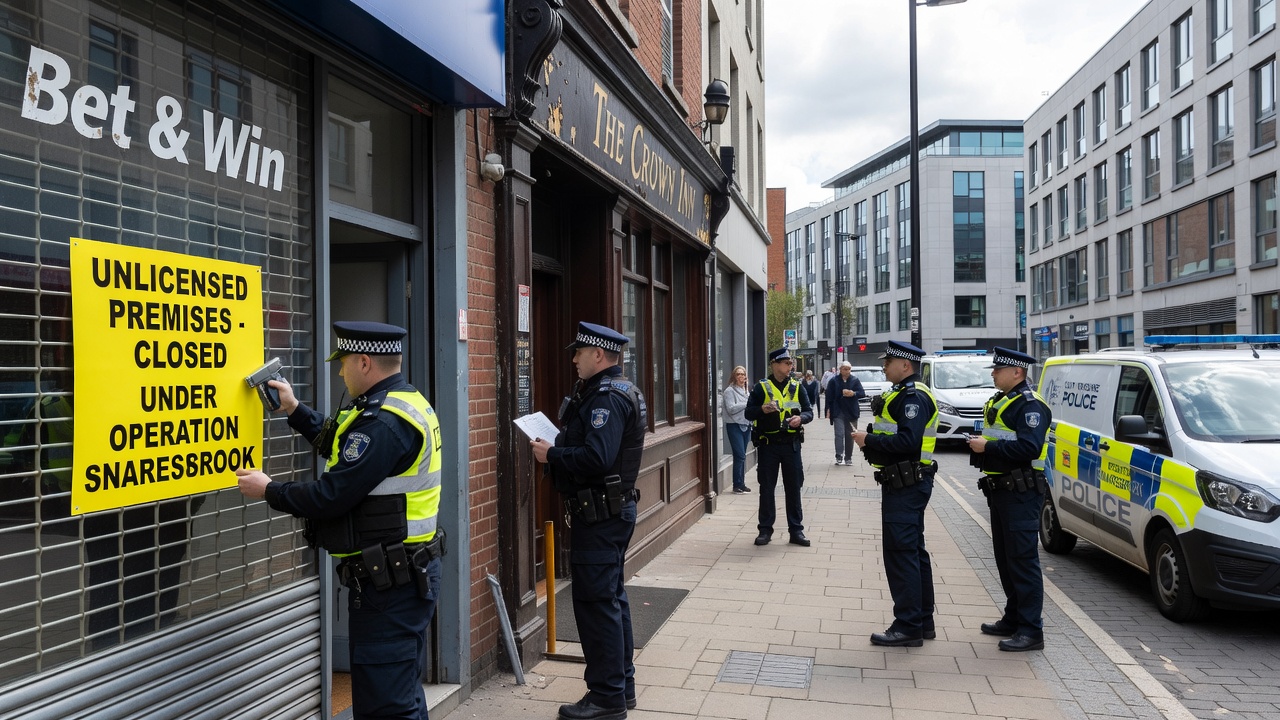
teh update doesn't exist in a vacuum; it bolsters anti-money laundering (AML) and counter-terrorist financing (CTF) controls specifically tailored for UK casinos immersed in MSB dealings, where high-velocity cash and cheque movements create prime opportunities for illicit funds to mingle with legitimate gaming proceeds.
According to insights from industry analyses, like those detailed in a recent breakdown of Commission strategies, this sharpened reporting mandate helps close gaps in oversight, allowing quicker interventions when MSB activities spike or shift unexpectedly.
Observers note that casinos, with their 24/7 operations and diverse clientele from across the globe, serve as natural hubs for currency exchange and remittance; yet, studies reveal that without robust notifications, regulators struggle to map out the full scope of these services, potentially delaying AML audits or CTF probes.
So, by mandating ten-day disclosures, the Gambling Commission equips itself to monitor patterns in real time—think a sudden surge in foreign exchange at a particular venue, which might flag deeper investigations—while operators bear the straightforward burden of keeping communication lines open.
It's noteworthy that this aligns seamlessly with existing FCA requirements under the Payment Services Regulations 2017, where MSBs must register as payment institutions or electronic money institutions; casinos failing to secure that nod before notifying the Commission risk enforcement actions on dual fronts, a reality that keeps compliance teams on their toes.
Context from the February 2026 Precursor
Now, tracing back to that original notice from 9 February 2026, the Gambling Commission first flagged the importance of MSB transparency for casinos; it laid out the basics, urging operators to confirm FCA authorization and detail their services, but the April update polishes the process with a dedicated email endpoint and the firm ten-day deadline, streamlining what was already a proactive stance.
People who've tracked these evolutions point out how the initial alert responded to growing concerns over MSB proliferation in gambling halls; back then, regulators spotlighted risks like layering illicit funds through repeated cheque cashing or remittance chains, prompting the call for upfront notifications.
Yet, as venues adapted—some expanding services to lure international players, others scaling back amid compliance costs—the Commission iterated, turning a general advisory into a precise protocol; this progression reflects a regulator that's learning from the field, adjusting tools to fit the fast-paced casino environment.
One case that experts reference involves larger casino groups auditing their third-party MSB contracts post-February, only to find discrepancies in FCA alignments; such discoveries accelerated internal reforms, paving the way for the updated notice's emphasis on cessation reporting as well.
Broader Implications for Casino Operators
Casinos juggling gaming floors with MSB desks must now weave this notification rhythm into their operational DNA, training staff to spot service changes and trigger emails promptly; compliance officers, in particular, find themselves at the center, cross-checking licence details against FCA portals before hitting send.
But turns out, the real test comes during peak seasons—like summer tourist rushes boosting currency exchange demands—when starting a pop-up MSB might sneak up on management; missing the ten-day mark invites scrutiny, potentially leading to fines or licence reviews, as past enforcement data from the Commission underscores.
Researchers who've dissected similar regs note that transparent reporting fosters trust, not just with regulators but among players wary of money laundering shadows; after all, clean operations keep the focus on fair gaming, where patrons can cash cheques or swap euros without second-guessing the venue's integrity.
And for smaller independents versus chains, the impact varies; larger operators with dedicated legal teams handle teh admin effortlessly, whereas independents might lean on software tools to automate alerts, a trend gaining traction since the February notice dropped.
What's significant is how this fits into the Gambling Commission's wider AML toolkit, complementing ongoing source-of-funds checks and enhanced due diligence; together, they form a net that catches anomalies in MSB-heavy casinos, where transaction data often reveals more than gaming stats alone.
Navigating Compliance in Practice
Operators gearing up for these rules often start with a service audit, listing current MSBs like third-party cheque cashing partners or in-house forex booths; from there, they map email protocols, ensuring the msb@gamblingcommission.gov.uk address becomes as familiar as their own CRM systems.
Take a hypothetical mid-sized casino in London, where foreign punters flock for blackjack tables; if it launches remittance services via a new vendor in May 2026, the clock ticks—licence number G123456, service type "money remittance," FCA reg confirmed—email sent by mid-May, compliance locked in.
Seminars and webinars hosted by industry bodies since February have drilled this home, with attendees reporting smoother transitions under the updated framework; data from those sessions shows over 80% of casinos now have MSB policies formalized, a direct lift from regulatory nudges.
Yet challenges persist, especially around cessation notices when contracts end quietly; forgetting that step leaves a reporting gap, one that Commission spot-checks could expose during routine inspections.
Conclusion
This April 2026 update from the UK Gambling Commission cements a clear path for casinos entwined with MSBs, demanding ten-day notifications that fortify AML/CTF defenses without overhauling daily ops; by channeling details through msb@gamblingcommission.gov.uk and tying into FCA mandates, the rules promote vigilance in an industry where financial flows never sleep.
Operators who stay ahead—auditing services, training teams, automating where possible—navigate these waters effortlessly, while the broader ecosystem benefits from reduced risks and heightened trust; as patterns from February onward show, proactive compliance turns potential pitfalls into routine checkmarks, keeping the gaming world spinning securely.
In the end, it's a straightforward evolution: notify fast, stay authorized, and let regulators handle the heavy lifting on oversight.